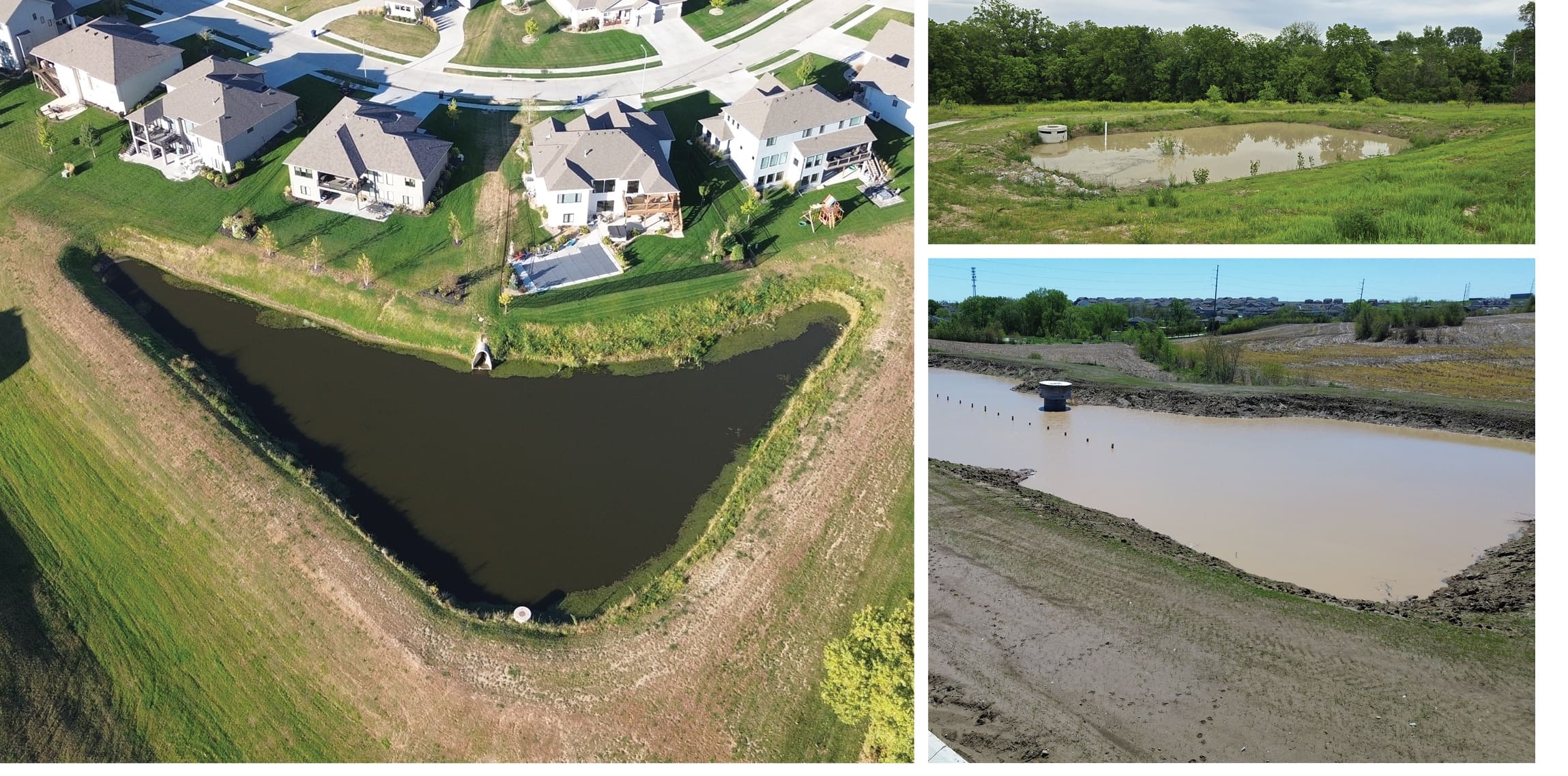
What is a silt basin?
What is this muddy pond? In the engineering community, these areas are known by many names: silt basins, water quality ponds, sediment traps, and detention basins. During the construction phase of the development, we call them silt basins. Once 75% of the homes are built, regulations allow us to convert them to water quality ponds.
A water quality pond is a man-made basin designed to manage and treat stormwater runoff. These structures are integral components of urban and suburban stormwater management systems. Their functions include pollutant removal, flood control, erosion control, habitat creation, and aesthetic value.
Overall, water quality ponds are essential for sustainable urban development, helping to mitigate the environmental impacts of increased impervious surfaces like roads and buildings while protecting downstream properties.
How does it work?
As construction disturbs the soil and ground, some loosened dirt, silt, and gravel could be swept up by rainfall. This runoff can contaminate nearby water bodies, degrade water quality, and harm aquatic ecosystems. Here lies the importance of silt basins.

Primarily used on project sites around five acres or more, a silt basin is an extensive excavation on the construction site to capture the muddy runoff of soil, dirt, and more. By creating a space where that runoff can safely gather, the sediment is not at risk of entering downstream waterways. As runoff gathers from the drainage area, a small pool will form. As the basin collects the silty water, the silt will eventually sink and settle to the bottom of the pond, leaving behind clean water. That clean water will then discharge out of the basin through small holes in the Principal Spillway structure. This basin is inspected weekly. The accumulated sediment will be cleaned out eventurally and then be spread where it is not at risk to enter downstream waterways.
What’s next for a silt basin?
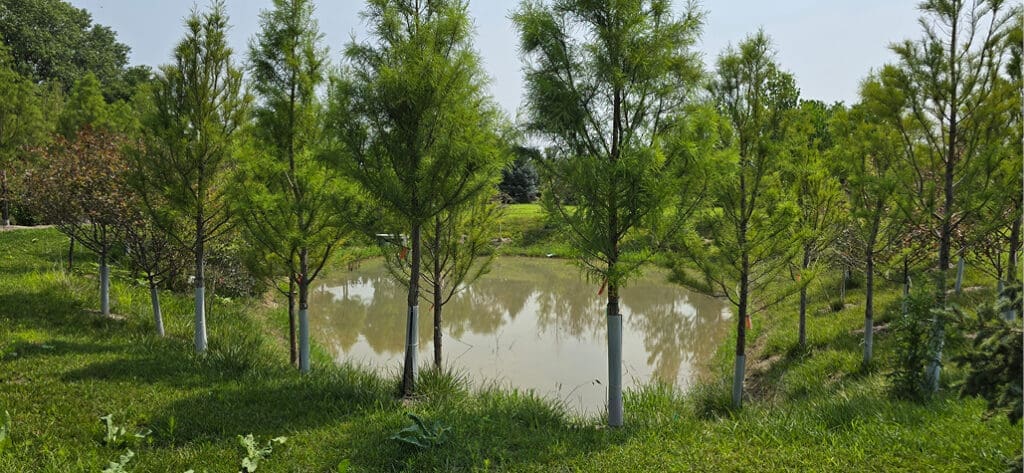
The basin’s future is dependent on the type of project it serves, but for most housing developments, it lives on as a water retention area. By capturing this runoff, the basin can effectively manage the surplus water, reducing the risk of localized flooding. This is achieved by temporarily storing the excess water in a designated area and gradually releasing it at a controlled rate, ensuring a balanced and sustainable urban environment.
In the passing of the guard, from the developer to the resident Board members, the SID and SID engineer oversee the conversion of the silt basin into a water quality pond. Conversion efforts usually consist of silt removal, filling basin to final elevation, modification of outlet structure, and stabilizing with seed and mat.
Download the Silt Basin Modification Guide
Explore our full guide to silt basin modification including the life cycle of a silt basin and FAQs.