Why Landscape Architecture? The Scope
To the everyday passerby, construction is frequently a shroud of mystery. Repaving or adding to our infrastructure manifests itself as a cacophony of loud noises and traffic cones, draped in orange fabrics and yellow caution signs. We in the realm of architecture, engineering, and construction (AEC) industries often know what is truly being done and how it will eventually serve those muddled passerby. But even internally, we can still struggle with that same unknown feeling. Departments can feel very separated, and worlds away. Today, we’d like to bring the spotlight to one of the many limbs in building – our Landscape Architecture group.
Landscape Architecture is one of the most critical steps in our building processes! While the spotlight usually shines on towering skyscrapers, intricate bridges, and innovative infrastructure, the significance of landscape architecture cannot be overstated.
What Is Landscape Architecture?
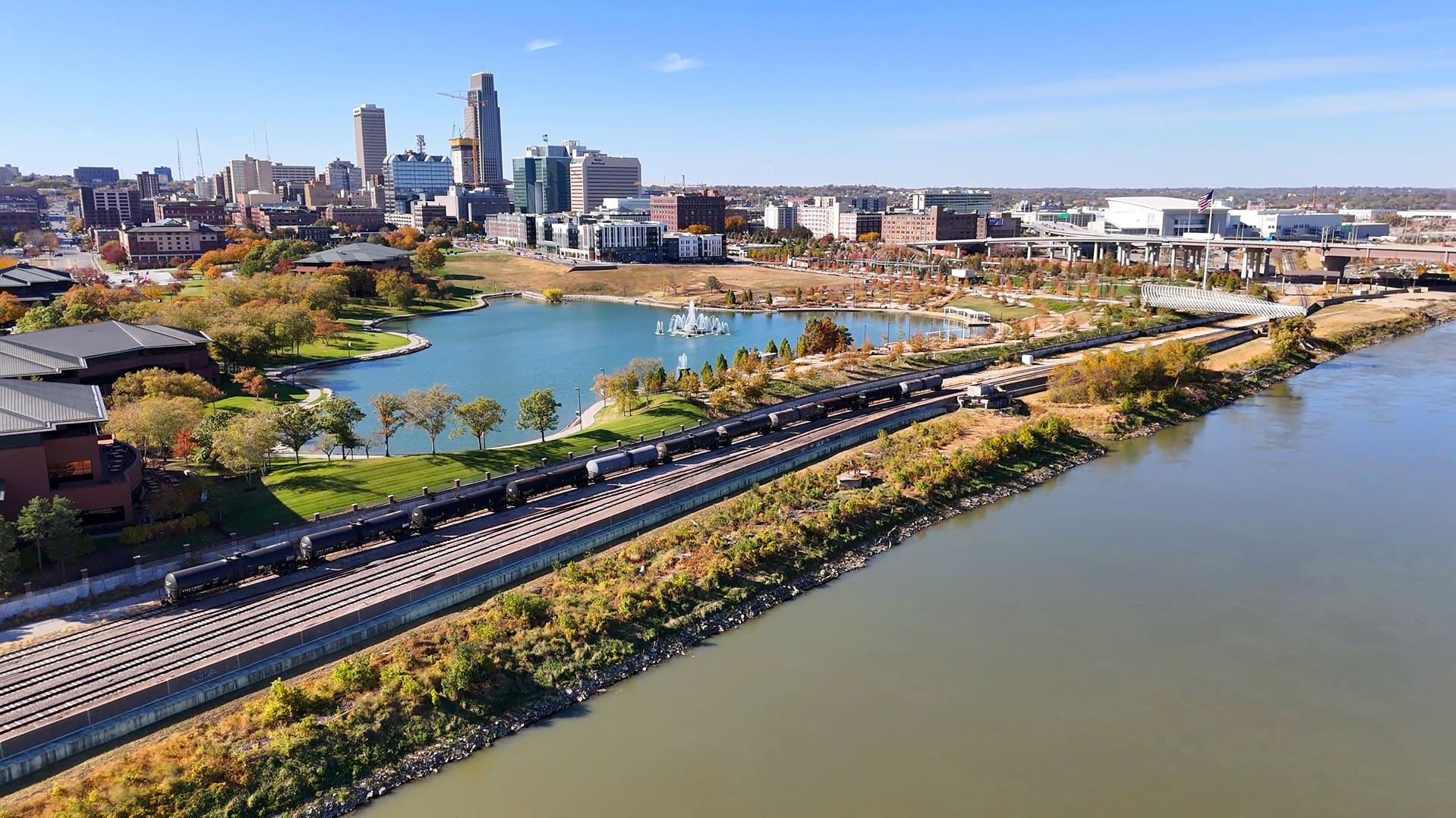
In our AEC industries, landscape architecture often stands as the unsung hero, quietly weaving together the built environment with nature’s intrinsic beauty and functionality. Landscape Architecture usually includes creating green spaces, water features, and native flora – bridging the natural world with human-made structures.
Landscape Architects help provide sustainable solutions, connect our communities, and provide an aesthetic that truly does wonders when it comes to our built environment. Think about it – seeing a happy, flourishing flower on a walk home from a bad day at work can bring a smile. Those flowers are strategically planted by our Landscape Architects for that very reason. The creations of landscape architects who understand the profound impact of green spaces on our well-being help promote physical activity and social interaction. They can also help mitigate air and noise pollution. The well-designed landscapes created by Landscape Architects contribute to an enhanced quality of life for both residents and visitors.
Struggling urban areas often find new life through strategic landscape interventions. Whether transforming abandoned lots into vibrant community gardens or revitalizing neglected waterfronts into bustling recreational hubs, landscape architects can rejuvenate and revitalize urban spaces. The sense of community involved with the restoration or revitalization can help rally the community around caring for their homes in this way.
Landscape Architects are at the forefront of facing climate change in our industry. Their job is to create resilient landscapes that can withstand environmental challenges such as flooding, extreme heat, and sea-level rise. Through innovative design solutions such as green roofs, permeable pavements, and coastal buffers, they provide hope and reassurance, helping communities adapt to the changing climate while safeguarding precious natural resources.
A Brief History:
Landscape Architecture has always been a crucial part of the design team – from the bathhouses the Romans designed to the pyramids of Egypt. Gilbert Laing Meason coined the term in his book On the Landscape Architecture of the Great Painters of Italy in 1828. The trade has its roots, traditionally, in gardening of manors and upper-class real estates. Landscape Architecture was then adopted by a man named Frederick Law Olmstead – an icon in our AEC industries as he designed Central Park in New York City. He described designing the composition of planting, landform, water, paving, and more under the umbrella we now use regularly today.
Why It All Matters
An important part of Landscape Architecture is its relevance to artistic and technical representations. When the consumer looks into our industry, they expect mostly the technical sides – our carefully plotted math to ensure the physics of our projects remain standing, the careful planning and measuring. What they don’t consider is the creativity that goes into our work, especially in the Landscape Architecture. All of the creative concepts, ideas, designs, and aesthetics are the responsibility of our Architects. Choosing to create a green space to help break up the monotony of a campus or inventing a new pathway so that commuters may not have such a hike from their homes – all of these betterments are work Landscape Architects often find themselves headlining.
Landscape Architects design the pathways that blend together our neighbors, creating the connective tissue leading anywhere from parks to an easy commute. Community is always at the focus of our Landscape Architect Team. They walk through the neighborhoods we design, thinking about the potential desire paths, or looking for ones already there. Their work revolves around the people – no matter the project.
Recently, well-being has made a sort of resurgence in our world. Due to factors like climate change, remote work, new technological advancements, and more – the need for green, calming, people-focused scenery is more prevalent than ever. The impact on our environments have on us cannot be overstated, as we learned firsthand through the lockdown of 2020. Landscape Architecture proves itself everyday as another invaluable asset of our industry, without which, we would not have our infrastructure.